
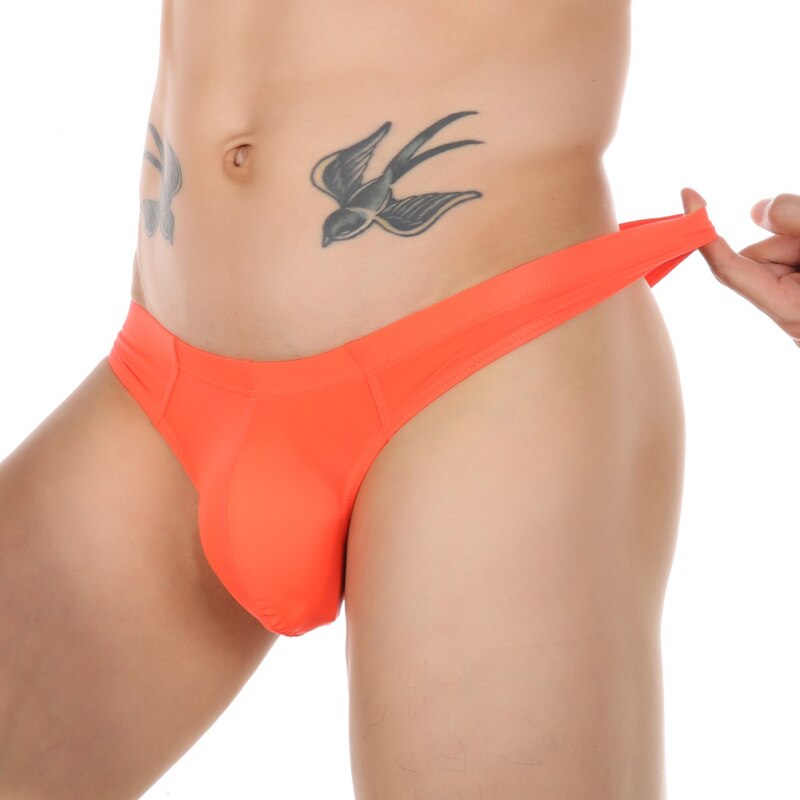
The conversation around refined intimate apparel has shifted in recent years. What was once viewed as purely functional has moved into a space where design, fabric, and fit receive real consideration. This change is not driven by spectacle or exaggerated marketing, but by steady demand for garments that feel intentional and well made. In this context, men’s lingerie appears as a category defined by subtle evolution rather than dramatic reinvention.
At its core, the current direction favors clarity. Shoppers are paying closer attention to how items feel during long hours of wear, how they interact with different body shapes, and how they hold up after repeated washing. The focus is less on novelty and more on refinement. This approach reflects a broader shift in consumer expectations across apparel categories.
Another important factor is normalization. Intimate garments designed with care are no longer positioned as niche or experimental. They are increasingly treated as part of a standard wardrobe, chosen with the same thought given to shirts or trousers. This mindset removes pressure and allows buyers to evaluate pieces based on personal preference rather than labels or assumptions.


Comfort as the Primary Driver
Comfort remains the leading influence shaping modern designs. Softness, stretch, and breathability are prioritized over visual impact. Fabrics such as modal blends, fine mesh, and lightweight cotton alternatives are selected for their ability to regulate temperature and reduce friction throughout the day.
Construction techniques have also improved. Flat seams, reinforced waistbands, and carefully contoured panels are now common features. These details reduce irritation and improve overall wearability without drawing attention to themselves. The result is a garment that supports daily movement rather than restricting it.
This emphasis on comfort does not eliminate structure. Supportive design still matters, especially for all day wear. The difference is that support is integrated discreetly, avoiding bulky elements that can feel intrusive.
Fabric Choices Are Becoming More Intentional
Material selection plays a significant role in how intimate apparel performs. Current trends show a move away from overly synthetic fabrics toward blends that balance durability with softness. Moisture control and airflow are frequently cited priorities.
Natural fibers enhanced with elastic components provide flexibility while maintaining shape. At the same time, advancements in textile engineering have made lightweight synthetics feel smoother and less rigid than earlier versions. These options appeal to individuals who want performance without sacrificing comfort.
Color retention and longevity also influence fabric decisions. Buyers increasingly expect items to maintain their appearance over time, which has encouraged brands to invest in higher quality materials rather than relying on surface level appeal.
Design That Favors Subtlety
Visual design has become quieter. Instead of bold patterns or exaggerated cuts, many styles rely on clean lines and balanced proportions. This restrained approach allows the garment to feel versatile rather than situational.
Neutral tones dominate the palette. Black, gray, navy, and muted earth colors appear frequently, offering flexibility and ease of pairing. Occasional use of deeper hues provides variation without overwhelming the overall aesthetic.
Logos and branding are kept minimal. When present, they are often placed discreetly, reinforcing the idea that quality speaks louder than visibility. This aligns with a broader preference for understatement across fashion categories.
Fit Is Treated as a Personal Variable
Fit is no longer presented as one size fits all. Designers acknowledge that bodies vary widely, and successful garments account for this reality. Waistband tension, leg opening shape, and pouch construction are adjusted to suit different preferences.
Sizing guides have become more detailed, helping buyers make informed choices. Instead of relying solely on numeric measurements, descriptions now explain how a piece is intended to sit and feel. This transparency reduces uncertainty and improves satisfaction.
The growing attention to fit reflects a shift toward user experience. Rather than focusing only on appearance, the goal is to ensure the garment performs well throughout the day, regardless of activity level.
Everyday Wear Takes Priority
Another notable trend is the focus on daily use. Items are designed to integrate seamlessly into routine life rather than being reserved for special occasions. This practical orientation influences both design and marketing language.
Durability matters more than novelty. Reinforced stitching and resilient fabrics ensure that pieces withstand regular wear. Care instructions are simplified, making maintenance straightforward.
This everyday focus also affects pricing strategies. Consumers are more willing to invest in items that deliver consistent comfort and longevity, viewing them as essentials rather than indulgences.
A Shift Away From Overstatement
Marketing approaches have become more measured. Instead of exaggerated claims, descriptions emphasize tangible benefits such as breathability, softness, and fit consistency. This straightforward communication builds trust.
The category benefits from this restraint. By avoiding overstatement, brands allow customers to form their own opinions based on experience. This approach aligns with a more informed and discerning audience.
Visual presentation follows a similar path. Clean photography and simple layouts replace theatrical imagery, reinforcing the idea that these garments are practical choices rather than novelties.
Influence of Broader Fashion Movements
Changes in intimate apparel reflect larger fashion trends. The move toward minimalism, comfort focused design, and quality materials appears across many categories. This alignment helps normalize thoughtful undergarment selection.
Sustainability also plays a role. While not always highlighted, efficient production and durable materials reduce waste over time. Consumers increasingly value longevity, which indirectly supports more responsible consumption.
These influences encourage steady refinement rather than rapid change. Instead of chasing short lived styles, designers focus on incremental improvements that enhance wearability.
Technology and Innovation Behind the Scenes
Innovation often happens quietly. Advances in knitting techniques, fabric treatments, and pattern making contribute to better performance without altering appearance dramatically. These improvements are felt rather than seen.
Temperature regulation and moisture management are examples of functional enhancements that have become standard expectations. When executed well, they fade into the background, simply making the garment more comfortable.
This behind the scenes progress supports the idea that trends in this category are about refinement. The absence of hype does not indicate stagnation, but rather maturity.
Consumer Awareness Is Increasing
Shoppers today are more informed. They read material descriptions, compare construction details, and pay attention to reviews. This behavior influences how products are designed and presented.
Clear information builds confidence. When buyers understand what they are purchasing, they are more likely to develop long term loyalty. This dynamic encourages brands to prioritize consistency over constant reinvention.
As awareness grows, superficial changes lose their appeal. What remains valuable is reliability, comfort, and honest presentation.
The Role of Personal Preference
Despite observable trends, personal preference remains central. There is no single correct choice, only options that align with individual needs. This flexibility is a defining feature of the current landscape.
Some prefer minimal coverage, others prioritize structure. Some favor natural fibers, others lean toward performance blends. The market accommodates this diversity without elevating one option above all others.
This acceptance of variation reduces pressure to conform. It allows the category to grow organically, guided by real use rather than imposed standards.
Looking Ahead Without Speculation
Future developments are likely to continue along the same path. Incremental improvements in fabric technology, fit refinement, and durability will shape upcoming designs. Radical shifts are less likely than steady progress.
The absence of hype is a strength. It creates space for thoughtful decision making and long term satisfaction. By focusing on what works, the category avoids the cycle of rapid trends and quick obsolescence.
Ultimately, the direction is clear. Comfort, quality, and subtle design will continue to define intimate apparel for men, supporting everyday life without demanding attention.